Liability Coverage for dually trucks
Commercial liability for dually truck owners covers the bodily injury and property damage you're responsible for when an accident is your fault — at limits appropriate for commercial operations.
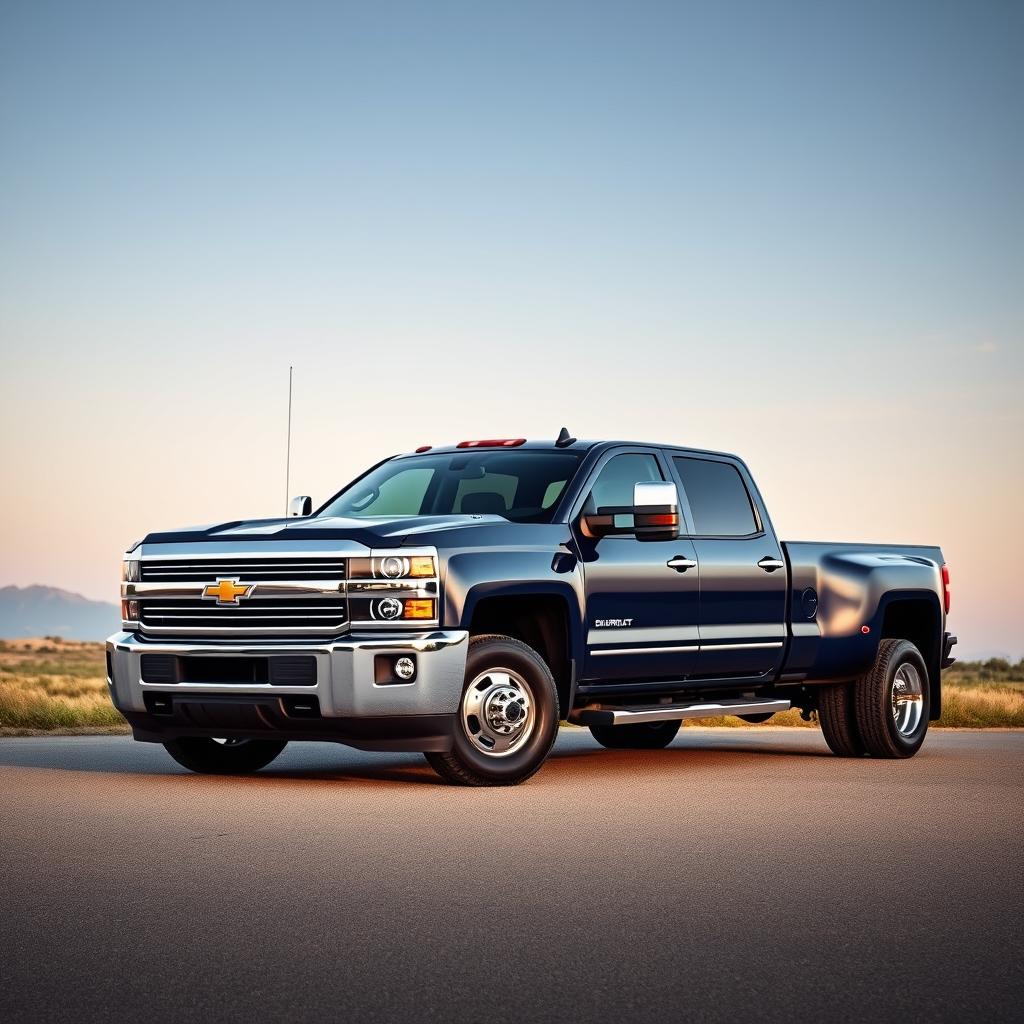
What it covers
- Bodily injury liability per person and per accident
- Property damage liability
- Combined single limit (CSL) options
- Coverage while towing gooseneck and fifth-wheel trailers
- Umbrella-ready limits for high-value operations
Who it's for
- Any dually owner who uses their truck commercially
- Contractors, ranchers, and owner-operators
- Towing and hauling operators
Why CCA
- Commercial limits appropriate for your operation
- Umbrella coordination available
- Coverage that follows your truck anywhere in the US
Common questions about liability coverage
It depends on your operation. Basic contractors may need $1M CSL. Heavy haulers and equipment movers often need $1M–$2M. We recommend what's appropriate for your risk profile.
No. Personal auto liability policies exclude business use. Commercial liability is required if you use your dually for work.
A dually (or dual-rear-wheel, DRW) truck has two wheels on each side of the rear axle — four rear wheels total. This gives significantly higher payload and towing capacity. Common examples: F-350 DRW, Ram 3500 DRW, Silverado 3500 DRW.
It depends on GVWR and use. Most dually pickups have a GVWR above 10,000 lbs when loaded, which can trigger commercial vehicle regulations in some states. For insurance purposes, if you use it for business, you need commercial auto regardless of GVWR.
Texas, Oklahoma, Montana, Wyoming, Colorado, Kansas, Nebraska, and other energy-producing and construction-heavy states have high concentrations of dually truck owners. We write dually insurance in all of these states.
Generally yes — higher GVWR, higher replacement cost, and commercial use factors increase premiums. But the real risk of underinsuring a dually (ACV vs. agreed value, personal vs. commercial auto) is far more costly.
A dually F-350 or Ram 3500 typically has 1,000–2,000 lbs more payload capacity than the same truck in single-rear-wheel configuration. This directly affects what you can legally haul and what insurance you need.
Yes, and many owners do. Coverage for dual-use trucks needs to be structured correctly — commercial auto policies can cover both business and personal use, while personal auto policies may not cover the business side at all.
Modern dually pickups like the F-450 and Ram 3500 can tow up to 30,000+ lbs in gooseneck configuration. Knowing your towing configuration is important for matching your cargo and liability coverage to the actual risk.
A fifth-wheel hitch connects to a kingpin on the trailer and is common for RVs and gooseneck trailers. A gooseneck hitch uses a ball in the truck bed and is common for heavy equipment and flatbed trailers. Coverage implications differ slightly by trailer type.
Dually trucks are generally less prone to rollover than standard trucks due to their wider rear stance, but the wider rear track increases the risk of sideswipes in tight spaces. Commercial use adds exposure from more miles and loaded conditions.
F-350 DRW: ~12,500–14,000 lbs GVWR. Ram 3500 DRW: ~12,800–14,000 lbs GVWR. Silverado 3500 DRW: ~13,200 lbs GVWR. These weights can affect DOT registration and insurance classification in some states.
If your commercial auto policy covers the haul, your liability pays for damage to others and your physical damage pays for your truck (if collision is included). Cargo in the bed is only covered if you have a separate cargo policy.
Trailers you own need their own physical damage coverage — commercial auto on your dually covers liability while towing, but generally not physical damage to the trailer. We can write a separate trailer policy.
If your dually truck crosses state lines for commercial purposes with a GVWR over 10,001 lbs, you may fall under FMCSA jurisdiction and be required to file an MCS-90 endorsement or BI&PD filing. We advise on compliance requirements for your operation.
Pair it with related coverage
Ready to protect your dually truck?
Get a 15-minute quote from specialists who understand dually trucks — commercial auto, agreed value, and cargo.